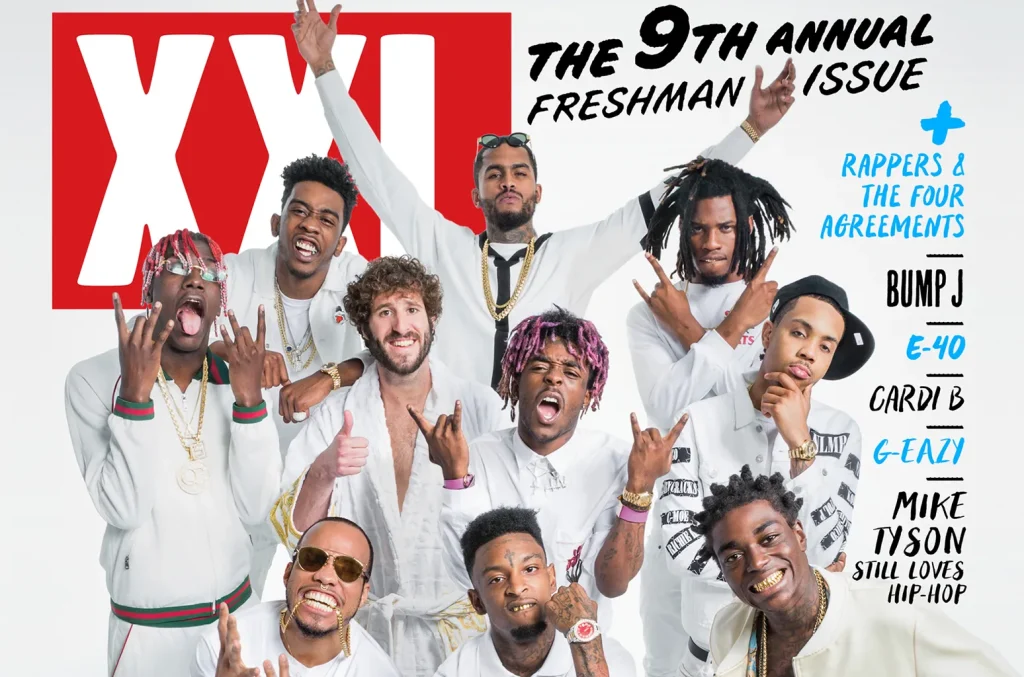
For nearly two decades, the XXL Freshman Class represented the pinnacle of early rap discovery — a ceremonial moment when emerging artists like Kendrick Lamar, J. Cole, Nicki Minaj, and Lil Uzi Vert were formally introduced to the broader industry. But the media landscape that once supported XXL’s influence has eroded. Between 2010 and 2020, U.S. magazine circulation plummeted by more than 50%, and with Gen Z discovering nearly 70% of new music through social platforms like YouTube, TikTok, and Instagram, print-era tastemakers struggled to remain relevant. XXL attempted to pivot digitally yet could not keep pace with the algorithm-driven velocity of modern music consumption. As consumers gravitated toward unfiltered video content and real-time discovery, the cultural cachet of the Freshman Class began to slip, overshadowed by digital-native alternatives offering more immediacy and authenticity.
The Rise of On the Radar and the Era of Micro-Video Tastemakers
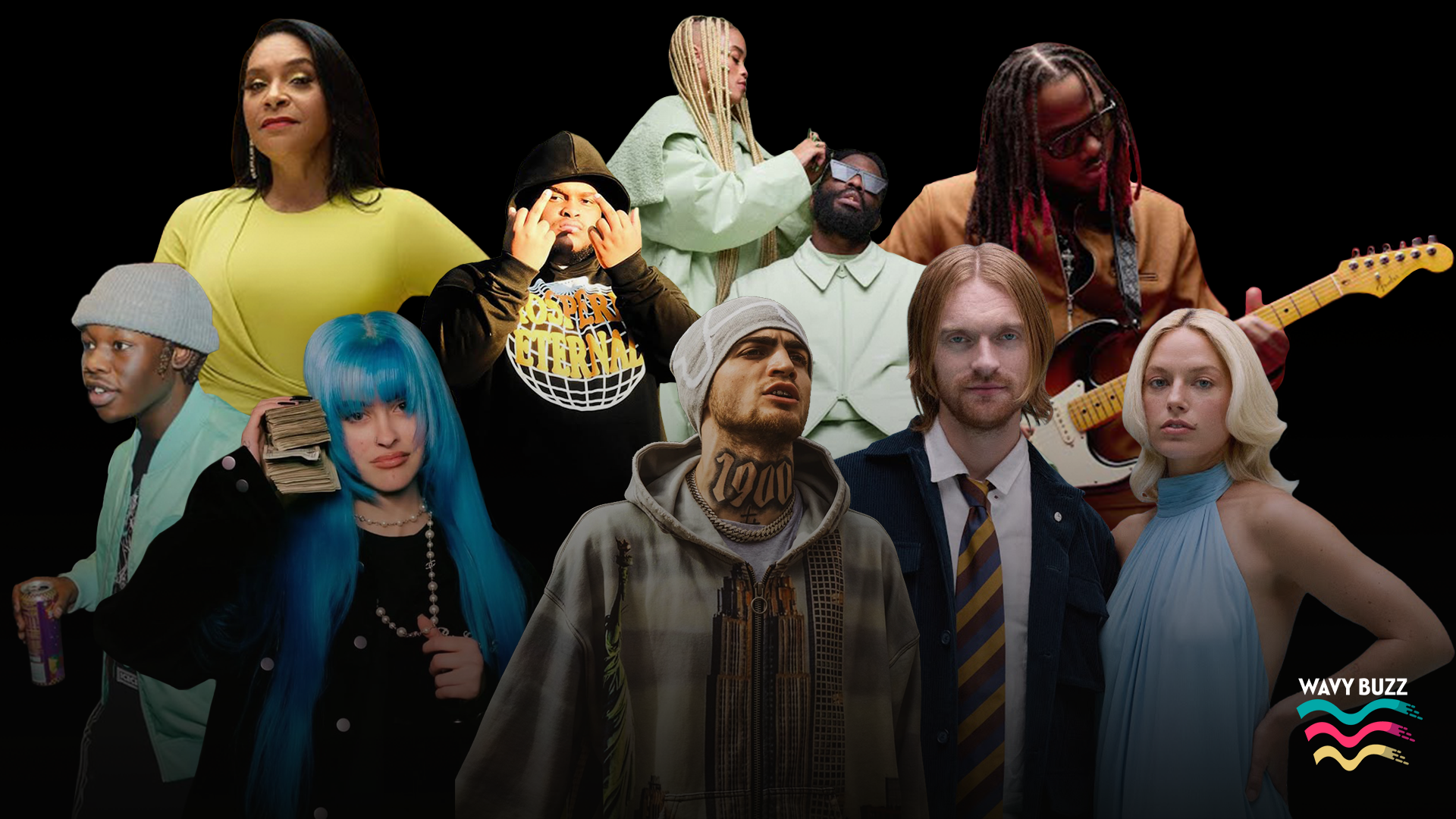
This shift opened the door for micro-video platforms to take command of early artist discovery, and few have capitalized on the moment as successfully as On the Radar Radio. The platform’s signature green-wall freestyle format — tight, performance-first, visually consistent — fits perfectly into the attention economy. Designed for shareability, its sessions spread rapidly across TikTok, YouTube Shorts, and Instagram Reels, enabling artists to translate raw talent into viral moments without label-engineered rollouts. Performances from Ice Spice, Lola Brooke, Lil Mabu, Scar Lip, Kenzo B, and countless others have skyrocketed after their On the Radar appearances, proving the channel’s power as a modern amplifier for regional movements like New York drill, Bronx rage, Jersey club-infused rap, and the DMV’s underground wave. In an era where virality often eclipses substance, On the Radar has become a trusted filter — curating raw, skill-forward performances that resonate with die-hard rap fans seeking culture over clicks.
A New Era of Cultural Incubators: On the Radar and COLORS
On The Radar’s rise parallels the success of COLORS, the Berlin-based minimalist performance channel known for breaking global talent across alt-R&B, Afro-fusion, experimental pop, and indie. Both platforms operate as “micro-media tastemakers,” crafting highly recognizable visual identities that help artists stand out in a saturated algorithm. COLORS appeals to a sophisticated global listener, while On the Radar remains deeply rooted in American street rap culture, but together they represent a new media class that has effectively replaced traditional editorial institutions. Where XXL once relied on stylized shoots and long-form storytelling, these channels offer direct connection, real-time engagement, and a space for emerging voices to experiment without corporate buffers. Their formats are not only discoverability engines — they’re cultural incubators.
Ultimately, XXL’s decline is not just the story of a magazine losing relevance — it is the story of music discovery’s decentralization. Platforms like On the Radar succeeded because they embraced the speed of the internet, the aesthetic demands of short-form video, and the cultural intimacy required to authentically champion emerging artists. In doing so, they captured the trust XXL gradually lost. As the year winds down, the influence of these micro-video blogs is undeniable: they have not only reshaped how new talent is introduced but have effectively dethroned traditional gatekeepers, becoming the new proving grounds for artists on the rise.
Ten Standout Performances That Define the Shift
On the Radar Radio:
1. One Up Tee — Shake It Off Freestyle
2. Jorjiana — On the Radar Freestyle
3. 1900 Rugrat — On Take Freestyle
4. Kyle Richh x Jenn Carter x Tata — FULL On the Radar Freestyle
5. Saint Lamaar — BUSS AT YOU (On the Radar Performance)
THE COLORS SHOW:
6. Tobe Nwigwe feat. Fat Nwigwe — ALERT | A COLORS SHOW