
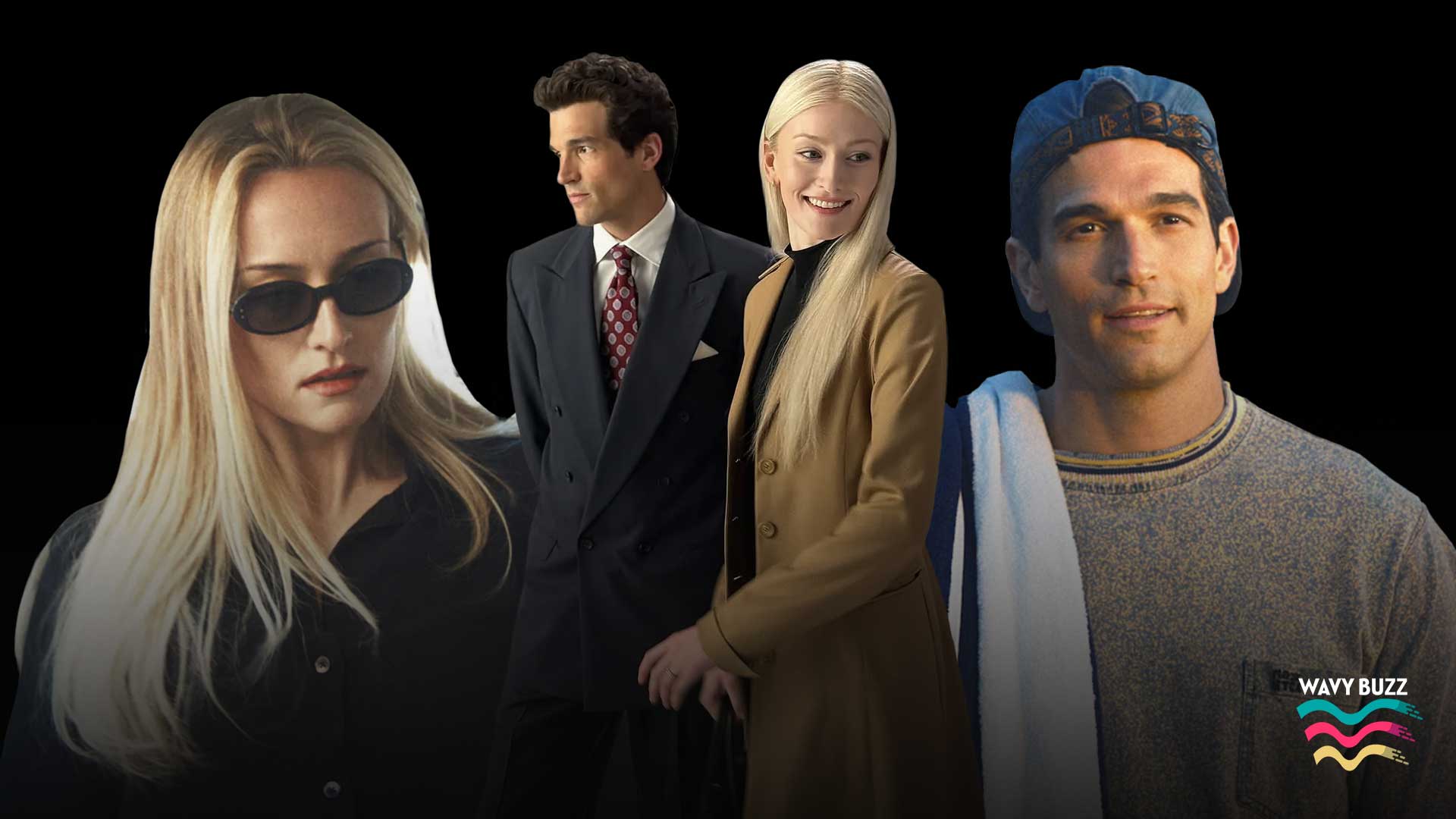
Across the internet and hipster neighborhoods in New York City, young men are looking for ways to channel their identity beyond their profession or nine-to-five. One of the more palatable methods to acquire such results is through menswear, as fashion can propel one’s social status beyond the office or friend group.
Gen-Z men, at the turn of their mid-twenties, are making strides to be more compelling and mature — a signal that subconsciously communicates to potential mating partners that they are serious. Menswear in the 1990s remains one of the most admired eras of style as it offers nuance and prestige, palettes that Gen-Z is becoming acquainted with through a nostalgic lens.
Ryan Murphy’s American Love Story, which portrays the life of Carolyn Bessette-Kennedy and John F. Kennedy Jr., provides Gen-Z a level of introspection that is dominating the fashion conversation on TikTok and other social media platforms.
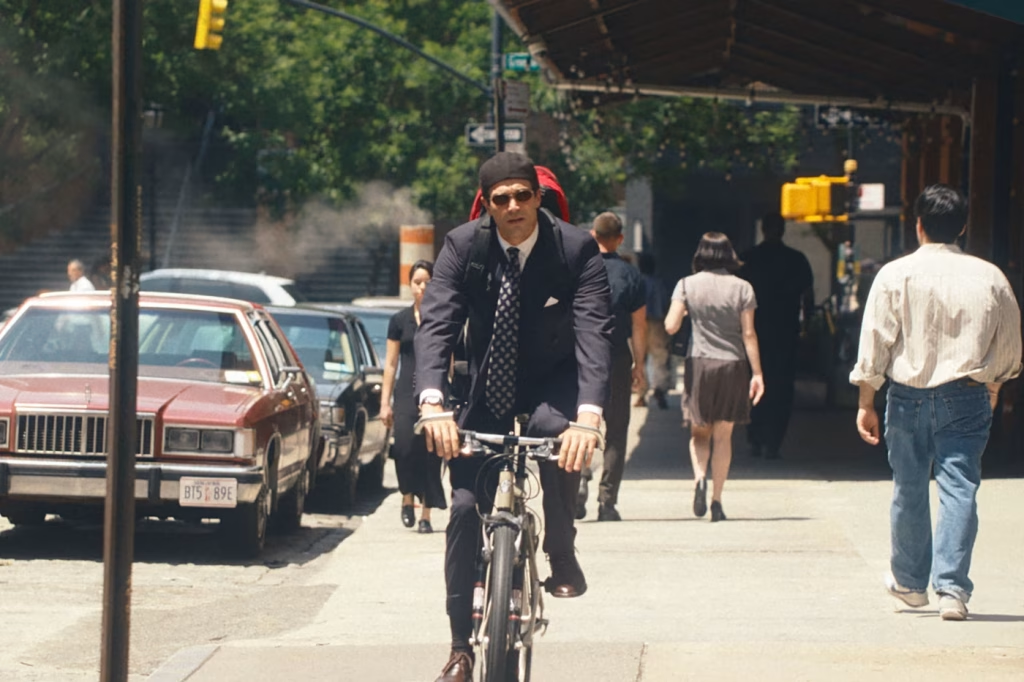
The influences are so potent that it has led to what many are calling the JFK effect — young men wearing full suits with baseball caps and opting to ride bicycles in lieu of the subway.
Fashion as Social Alignment
Fashion is more than expression; it is often alignment, especially with how men see themselves. It serves as a mirror for social classes and hierarchy. In Hip-Hop, for example, a diamond chain and gold teeth are items that depict a rapper’s identity. The aura of a rapper commands fringe benefits, including a societal pass to behave like a teenager well into adulthood.
In the real world, however, there must be a nonverbal alignment that signals whether a man is well-to-do. Usually it begins with his profession and trickles into his extracurriculars — which is where there is freedom to explore beyond the traditional “man in finance” or “tech bro” aesthetic.
Professional young men who have not yet built their respective social identities often attribute their likeness to drama characters that mirror their ambitions. Figures from shows such as Succession, Industry, and now American Love Story become references for what adulthood might look like.
These characters provide something beyond entertainment — they offer templates of masculinity. The sharply dressed investment banker, the composed political heir, or the understated editor moving through Manhattan in a wool coat communicates a version of adulthood that feels structured and intentional.
For Gen-Z men navigating their twenties, adopting the aesthetic of these characters becomes a way to rehearse competence before fully achieving it.
The Suit as a Signal of Competence
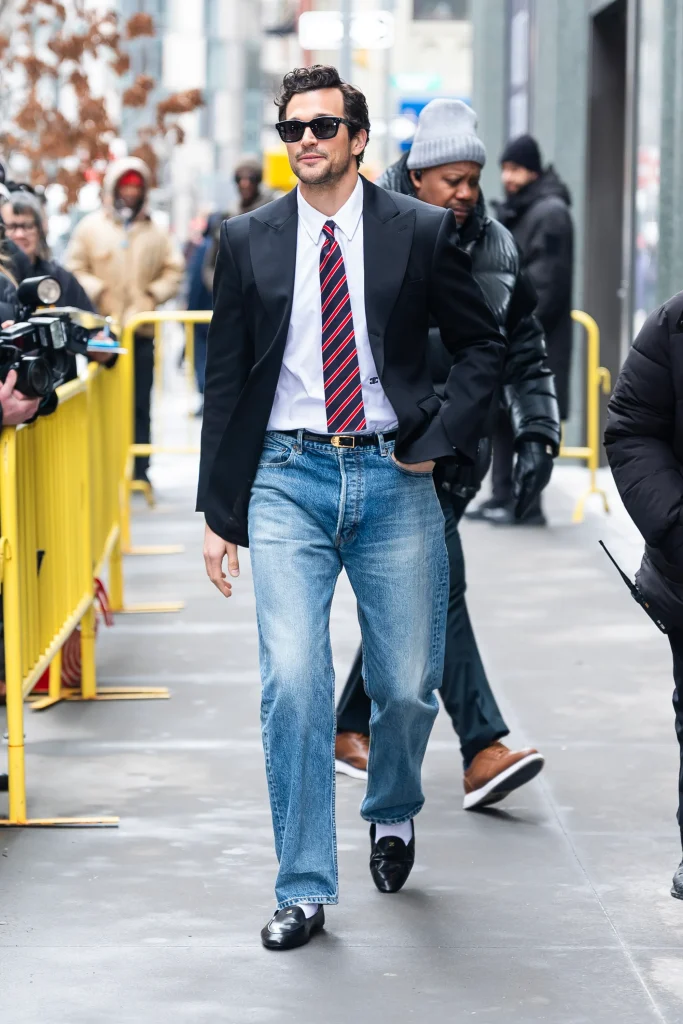
The suit, in this context, becomes less about formality and more about signaling discipline. Pleated trousers, leather loafers, and tailored overcoats suggest someone who has direction. Even when the reality is far messier — student loans, career pivots, shared apartments — the uniform implies order.
In a city like New York, where perception often precedes reputation, that implication carries social currency. What’s fascinating is how this look avoids feeling overly corporate. The baseball cap worn with a blazer, the vintage bicycle instead of the subway, or the slightly oversized jacket soften the rigidity of traditional professionalism.
It communicates responsibility without sacrificing youth.
The Lifestyle Behind the Look
American Love Story, beyond the cool outfits, signals something Gen-Z men are quietly yearning for — fulfillment in their work, the freedom to explore hobbies, and the possibility of falling in love. Menswear critic Derek Guy captured this sentiment perfectly when discussing the rise of the JFK aesthetic:
You don't actually love JFK's style. You love the idea of dense, mixed use, walkable neighborhoods where you can bike, walk, or rollerblade to wherever you need to be. And making enough money to live in a city while having enough free time for hobbies and a lover. pic.twitter.com/JsjriipKvM
— derek guy (@dieworkwear) March 3, 2026
That observation captures the deeper appeal of the JFK effect. The fascination is not simply about the wardrobe worn by John F. Kennedy Jr. or the understated elegance of Carolyn Bessette. It is about the lifestyle orbiting around them — a Manhattan where ambition, romance, and leisure coexist:
- Afternoons walking through SoHo.
- Careers that are demanding but not consuming.
- Relationships that appear rooted in admiration rather than exhaustion.
For a generation raised during economic instability and constant social comparison, that rhythm feels aspirational.
Romance, Partnership, and the Modern Dating Dilemma
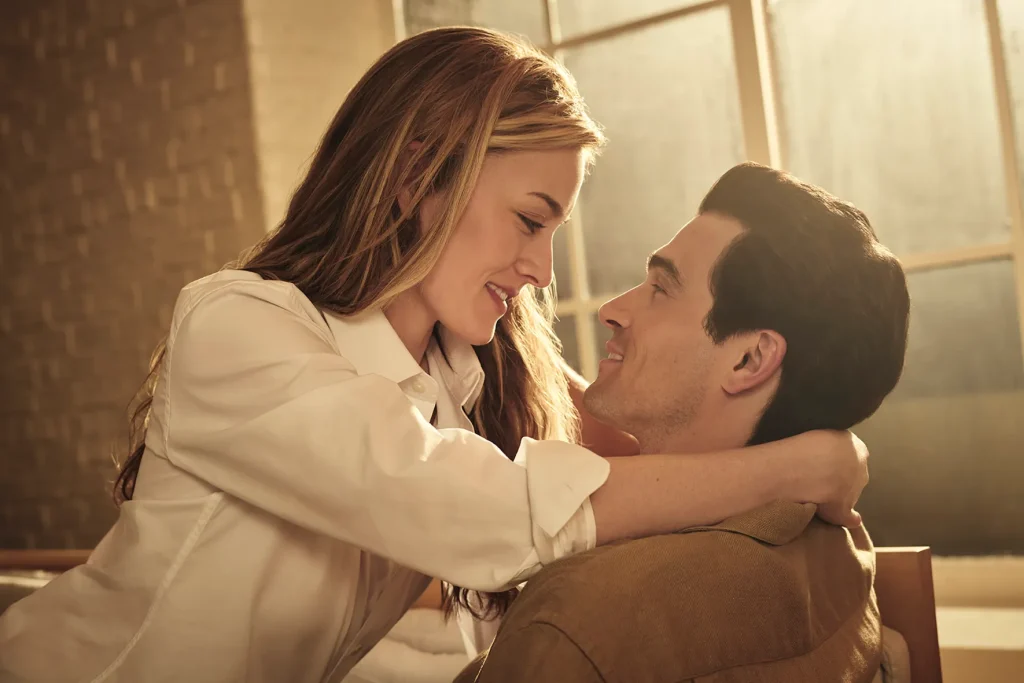
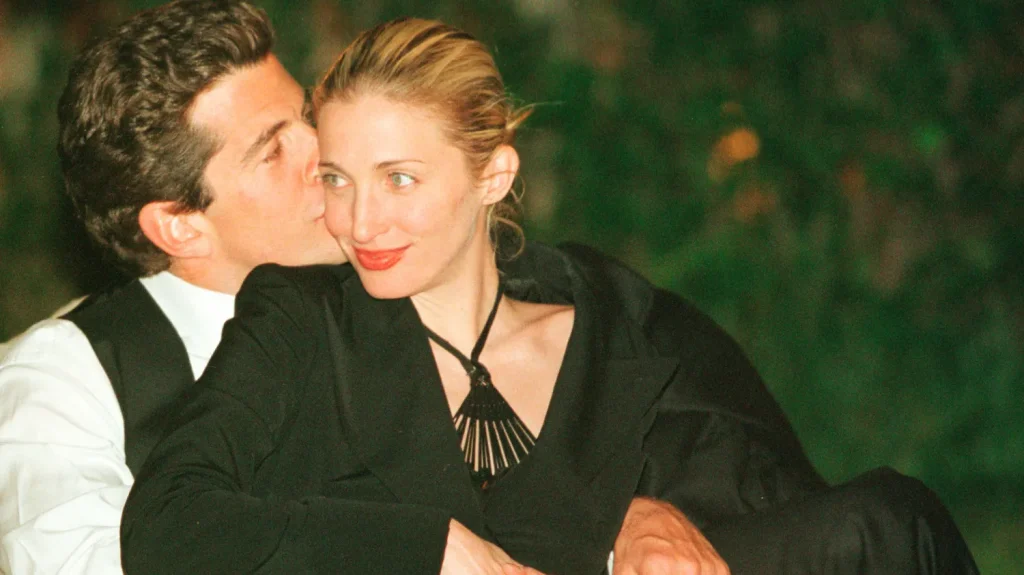
The relationship between Carolyn Bessette and JFK Jr. represents a model of partnership that feels increasingly distant from contemporary dating dynamics. Their pairing suggests mutual admiration and compromise — two individuals comfortable in their identities supporting each other’s ambitions.
For a generation that often bonds through shared trauma or ironic detachment, witnessing a relationship rooted in admiration offers a different blueprint. It suggests that adulthood is not merely survival, but collaboration.
By reconstructing the cultural atmosphere surrounding the couple, American Love Story presents more than a romance — it offers a vision of adulthood that many Gen-Z viewers are still chasing:
- A life where work is meaningful but not suffocating.
- Where style reflects confidence rather than performance.
- Where relationships grow from admiration rather than necessity.
Dressing Like the Man You Want to Become
Ultimately, the resurgence of classic menswear among Gen-Z men reveals something deeper than a fashion cycle. It reflects a generation attempting to visually negotiate adulthood. In a world where identity is curated online and ambition is constantly on display, clothing becomes a tool for projecting readiness — readiness for career success, social respectability, and romantic viability.
The irony is that many of these young men are still figuring things out. But the uniform offers a starting point. Dress like the man you believe you’re becoming, and perhaps the rest will eventually follow.