
At every generational crossroads, fans reassess their relationship with music — and with the artists they place at the top of the hierarchy. In hip-hop, that conversation never dies. The question of who deserves the title of Greatest Rapper of All Time remains one of the culture’s most enduring debates.
For decades, Jay-Z has been a permanent fixture in that discussion despite not releasing a full-length studio album since 4:44 in 2017. There is a reason the New York Times recently named Hov among the greatest songwriters of all time. His catalog hasn’t simply aged well — it has endured. His music continues to resonate across generations, serving as both a soundtrack and a blueprint for ambition, entrepreneurship, and lyrical excellence.
Yet Gen Z isn’t entirely sold on Jay-Z’s greatness.
While there remains broad respect for his legacy, online discourse often paints a different picture. The infamous “Dinner with Jay-Z or $500,000?” debate has become a recurring fixture in internet culture, with many younger fans choosing the cash without hesitation. What started as a hypothetical has evolved into a cultural reference point, appearing in social media conversations, podcasts, and even rap lyrics.
Part of that disconnect is generational. Jay-Z is now in his mid-50s and has spent much of the past decade focused on endeavors outside of music. Whether partnering with the NFL on entertainment initiatives, advocating for criminal justice reform, expanding his business empire, or appearing alongside Beyoncé at high-profile events, he has largely operated beyond the traditional role of rapper. To many younger fans, Jay-Z feels more like a billionaire mogul than an active recording artist.
That context makes 2026 particularly significant.
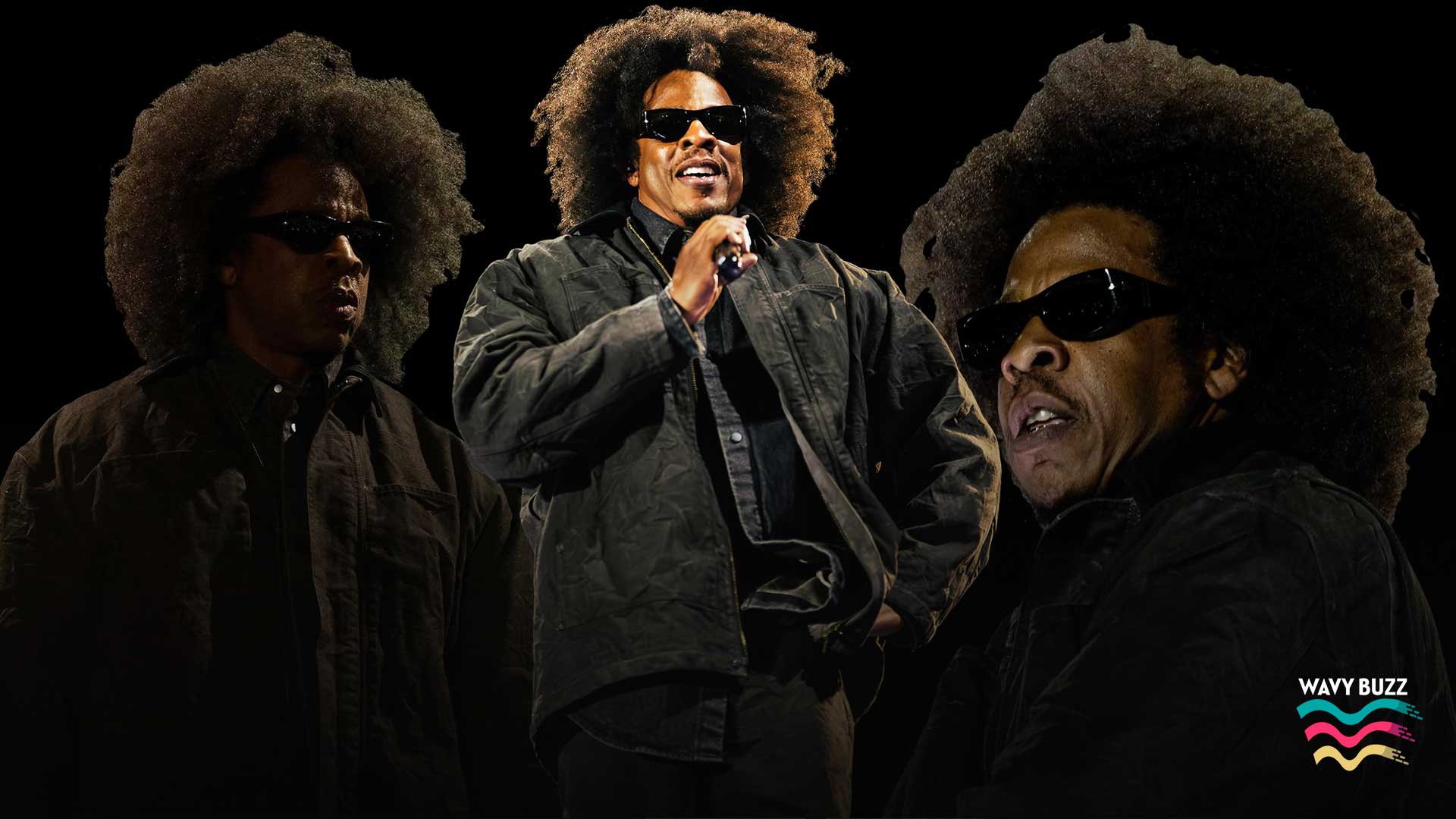
This year marks the 30th anniversary of Jay-Z’s debut album, Reasonable Doubt, and Hov is commemorating the milestone through his “Jay-Z 30” rollout — a campaign designed to celebrate his legacy while introducing it to a new generation. The initiative includes archival releases, special performances, and the long-awaited commercial release of material that was previously difficult to access. He’s also returning to the stage with a series of major live appearances, including a standout performance at Roots Picnic and a three-weekend run at Yankee Stadium beginning in July.
While the celebration is framed as an anniversary tour, it also feels like something more: a reminder.
For someone born in 2005, Jay-Z’s prime years exist largely through playlists, documentaries, and internet debates. They were eight years old when Magna Carta Holy Grail arrived and twelve when 4:44 was released. Their understanding of Jay-Z is often filtered through his reputation rather than firsthand experience.
Meanwhile, Drake’s dominance over the past decade has complicated the conversation. His unprecedented commercial success and cultural reach have placed him in rarefied air, leading many younger fans to argue that he belongs alongside — or even above — Jay-Z in the all-time rankings.
But this isn’t about Drake.
Whether he’ll admit it or not, Jay-Z still has something to prove.
If you study his catalog closely, the desire to be recognized as the greatest rapper ever has always been a recurring theme. That competitive fire surfaced again during his Roots Picnic performance this past weekend. In a nearly four-and-a-half-minute freestyle, Jay-Z addressed critics, detractors, and doubters with the same layered lyricism that built his reputation. Packed with double and triple entendres, subtle references, and sharp observations, the freestyle quickly sent the internet into a frenzy as fans dissected every line.
More importantly, it reminded people why Jay-Z remains in the conversation.
Few artists can command that level of attention without releasing a new album. In an era governed by algorithms, engagement metrics, and endless content cycles, Jay-Z can still dominate headlines with a single performance. That influence isn’t accidental — it’s the result of three decades spent building one of the most respected bodies of work in music history.
The message from Hov seems clear: Gen Z may know the legend, but he wants them to understand the artist. And if recent events are any indication, we may be closer to a new Jay-Z album than people think.