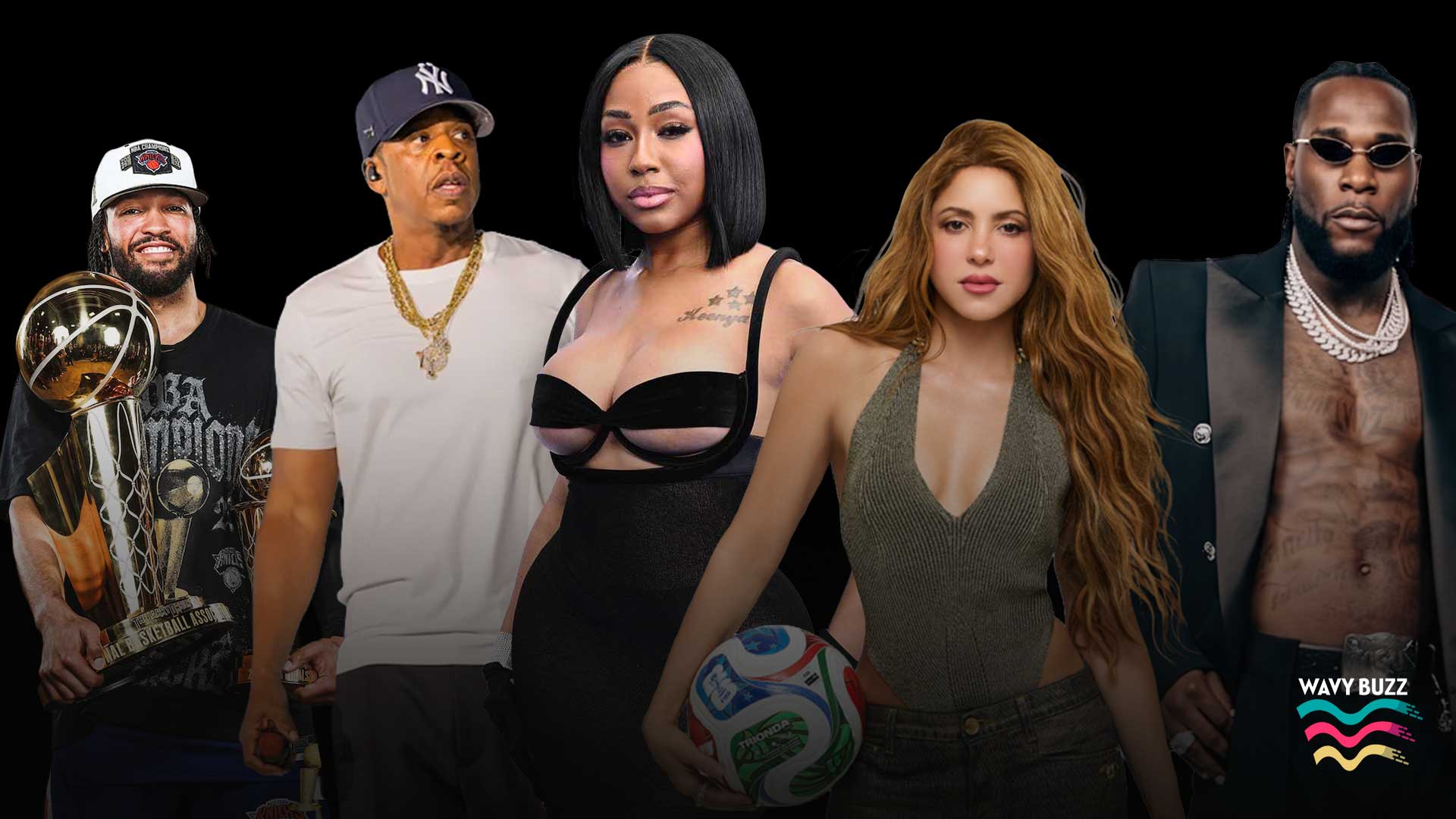
Summer 2026 is shaping up to be one for the ages, especially on the East Coast.
A Sports-Filled Summer
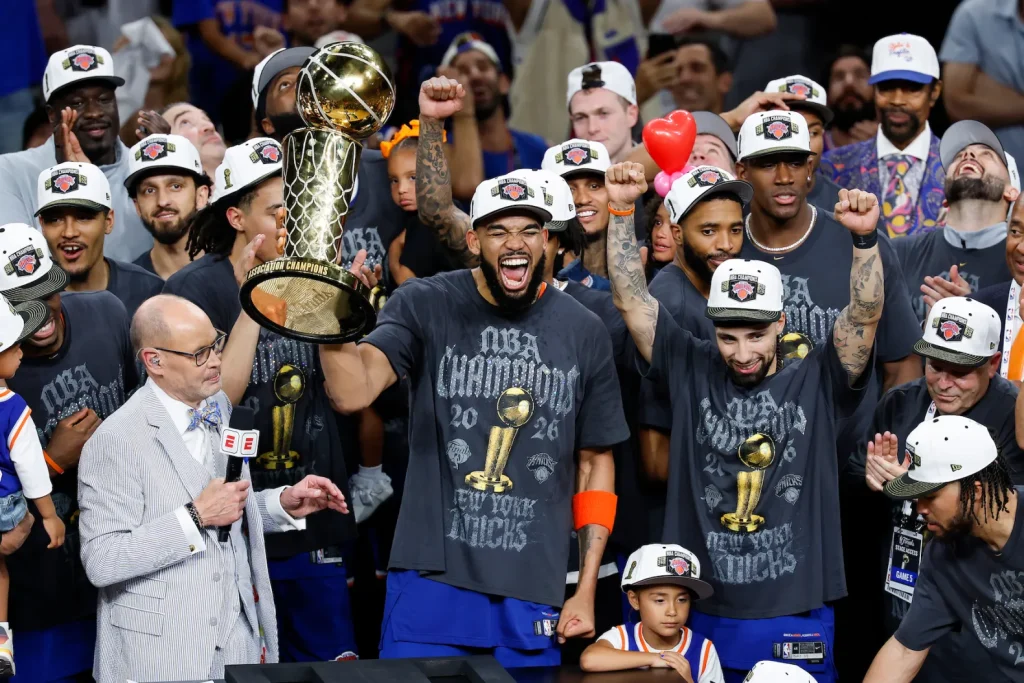
For the first time in over 53 years, the New York Knicks have brought an NBA championship back to New York City, reigniting a level of excitement that has united all five boroughs and surrounding communities. At the same time, the FIFA World Cup has arrived on North American soil, with the tri-state area and Philadelphia hosting a significant share of matches and welcoming hundreds of thousands of football fans from around the globe.
Amid this celebration, something else has emerged: a renewed fascination with the nuances of American culture — from the energy of city streets to the charm of suburbia. As visitors experience the country through a different lens, one of America’s greatest cultural exports inevitably takes center stage: entertainment.
Every unforgettable summer has a soundtrack. A song that transcends charts, escapes its genre, and becomes inseparable from the memories people make. Whether it’s blasting from car speakers, echoing through block parties, filling stadiums, or soundtracking social media feeds, the Song of the Summer isn’t just a hit record — it’s a cultural timestamp.
The question is: which artist will define the summer of 2026?
World Cup Anthems Go Global
On the international stages, The World Cup Craze brought us two transnational records, which not only celebrates the competition but shows fans the power of collaboration. Afrobeats sensation Burna Boi linked up with the Hips Don’t Lie Queen Shakira to bring us a FIFA world cup anthem, “Dai Dai, which is proven to be an automatic fan favorite. However, there is strong competition in that category as Future and Tyla gave fans a runner up with “Game Time,” which is another fan favorite on the international stages.
If we’re talking about music in North America, however, few artists have shaped the conversation more than Taylor Swift. After taking much of the year away from the spotlight to focus on her wedding, the stage was set for hip-hop’s reigning heavyweight: Drake.
Drake's Redemption Era
Following nearly three years of working to regain control of the narrative after his highly publicized feud with Kendrick Lamar, the Canadian superstar returned with a vengeance — not with one project, but three. Of the trio, critics and fans alike have pointed to Iceman as Drake’s most mature and introspective body of work, an album that confronts many of the questions listeners have been asking for years.
The project opens with “Make Them Cry,” where Aubrey Graham offers one of the most personal glimpses into his day-to-day life. Rather than leaning into his larger-than-life persona, he embraces vulnerability, making one of the world’s biggest artists feel surprisingly relatable. “I’m about to turn 40, dawg, I’m battling aging,” he admits — a candid acknowledgment that even global superstars wrestle with the realities of growing older.
Drake also addresses his ongoing legal dispute with Universal Music Group, alleging the label played a role in damaging his reputation by allowing Kendrick Lamar to perform a song during the Super Bowl halftime show that, in Drake’s view, amplified allegations portraying him as a pedophile. Regardless of where listeners stand on the dispute, the album makes one thing clear: beneath the accolades and commercial success is an artist determined to remind audiences that he is as human as anyone else.
The approach resonated. Collectively, the releases were well received by fans, with Iceman debuting at No. 1 on the Billboard 200 — earning Drake his 14th chart-topping album and reinforcing his place among music’s most commercially dominant artists.
Drake’s resurgence became so dominant that fans even began speculating whether his line, “The jig is up,” had subtly taken aim at New York’s own Jay-Z. Whether intentional or not, the timing made for an interesting coincidence.
Jay-Z's Victory Lap
Shortly after the release of Iceman, Jay-Z restored the umlaut to the “Y” in his name and announced a commemorative tour celebrating the 30th anniversary of Reasonable Doubt and the 25th anniversary of The Blueprint. Demand was overwhelming. The initial dates sold out within days, prompting Hov and his team to add a third and final performance—appropriately titled Extra Innings — giving thousands more fans an opportunity to witness one of hip-hop’s most celebrated catalogs live.
For longtime fans who have followed Jay-Z since his Reasonable Doubt debut, the performances felt like a full-circle moment. They had watched Shawn Carter’s journey from the Marcy Projects to becoming one of the most influential figures in music and business. For younger audiences—particularly Gen Z—it was an opportunity to experience his greatness beyond highlight clips, viral tweets, and streaming playlists.
Over three unforgettable nights, Jay-Z transformed Yankee Stadium and the surrounding Bronx into the epicenter of hip-hop. More than a concert, it was a celebration of an era. Alongside timeless classics, he welcomed an all-star lineup of guests, including his wife, Beyoncé, pioneers like Slick Rick and Jaz-O, and longtime collaborators such as Pharrell Williams, Eminem, Swizz Beatz, Rihanna, and Usher.
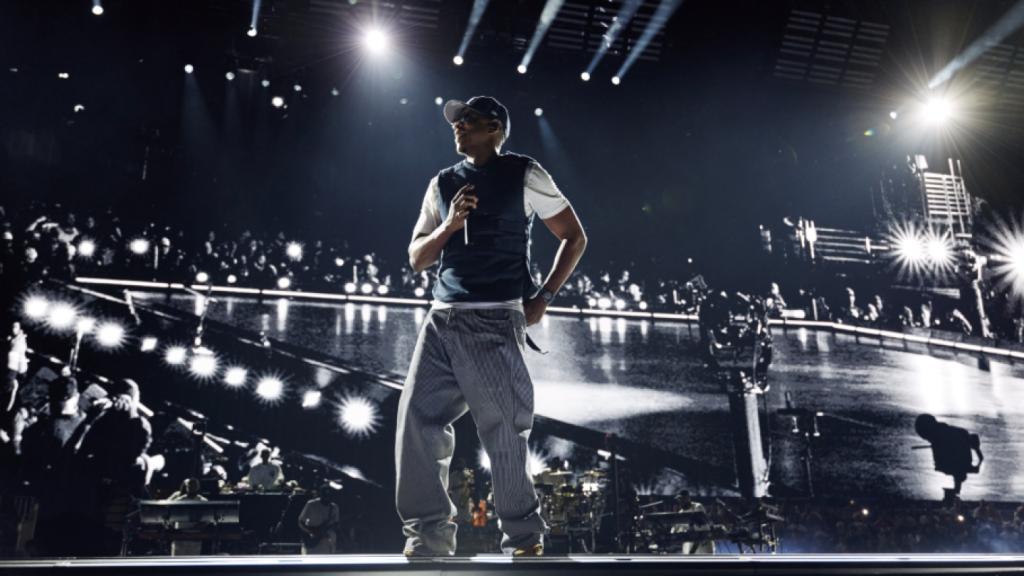
Yet perhaps the night’s most memorable moment wasn’t delivered by a guest artist at all. It came when Jay-Z invited his eldest daughter, Blue Ivy Carter, to the stage. As she sat at the piano during “Feelin’ It,” the performance became something far greater than nostalgia. It symbolized legacy. Many of the fans who first heard Reasonable Doubt in 1996 are now parents themselves, making the father-daughter moment resonate on a deeply personal level. It was a reminder that success isn’t measured solely by accolades or wealth, but by what can be passed down to the next generation.
If there were still any doubts about Jay-Z’s place in hip-hop history, those three nights settled the debate. Selling more than 150,000 tickets across three sold-out shows, he reminded the world that there are levels to artistry, cultural influence, and longevity — and that he remains firmly in the conversation as one of the greatest artists to ever touch a microphone.
Young Miami's Summer Breakout Anthem
Beyond Drake and Jay-Z, another artist who managed to capture the spirit of the underground is Yung Miami with her breakout solo record, “Spend Dat,” which has emerged as one of the strongest contenders for Song of the Summer.
At its core, “Spend Dat” is pure escapism. It’s the kind of record that gives listeners permission to throw caution to the wind, indulge in the moment, and leave responsibility at the door for three minutes. The lyrics aren’t necessarily uplifting or inspirational, but that’s precisely the appeal. Like many summer anthems before it, the song isn’t asking listeners to think—it’s asking them to have fun. That carefree energy has helped the record transcend generations, finding an audience among both younger listeners and older fans looking for a soundtrack to the season.
The commercial success has been equally significant. The single has become Young Miami’s biggest solo hit to date, marking her first major breakthrough since branching out from City Girls. For years, comparisons between Young Miami and her former groupmate JT largely favored JT’s solo trajectory. “Spend Dat” has reshaped that conversation, proving that Miami can command the spotlight on her own.
The record also represents something far more personal: redemption.
Over the last two years, she experimented with new music while navigating criticism from skeptics who questioned whether she could ever regain her momentum. “Spend Dat” answered those questions emphatically. Following the song’s success, Miami expressed heartfelt gratitude to her supporters, using the moment to encourage anyone working through setbacks in their own careers or personal lives. In many ways, the record became more than a hit — it became a symbol of perseverance.
The Art of the Comeback
Speaking of perseverance, few artists authored a bigger comeback this year than DaBaby.
Before “Spend Dat” began dominating playlists, DaBaby’s “Pop That Thang” looked poised to become the runaway Song of the Summer across urban radio. The single marked an impressive return for an artist whose career has experienced dramatic highs and equally dramatic lows.
Between 2019 and 2020, DaBaby was one of hip-hop’s biggest stars. Records like “Suge” and “BOP” transformed the Charlotte native into a commercial powerhouse seemingly overnight. But a series of controversies in the years that followed overshadowed his music and fundamentally changed public perception. The conversation shifted from his artistry to his off-stage behavior, and with it came a sharp decline in demand.
DaBaby has been candid about that decline, revealing in interviews that his performance fees fell dramatically from the peak of his career. Yet rather than disappear, he continued recording, refining his craft, and waiting for the right moment to reintroduce himself. That patience paid off.
With one of the year’s strongest comeback albums and the infectious “Pop That Thang,” DaBaby reminded listeners why he was once considered one of rap’s premier hitmakers. His resurgence also earned praise from fellow artists, with A$AP Rocky publicly describing DaBaby as one of the best MCs in the game. Whether fans agree with that assessment or not, the compliment reflects something bigger: respect from a contemporary whose opinion carries weight. More importantly, DaBaby’s return serves as another reminder that in hip-hop, careers are rarely linear. Sometimes the greatest statement an artist can make isn’t during their rise — it’s in the comeback.
Internet Hits, Real-Cultural Impact
Finally, an honorable mention goes to BabyChiefDoit and his breakout record, “Ghetto Love Story,” a song that has quietly become a favorite among the chronically online. While it may not have the commercial weight of some of this summer’s biggest releases, it perfectly captures the internet’s ability to turn an unconventional record into a cultural moment. Across Instagram and TikTok, fans have embraced the South Side Chicago rapper’s infectious energy, praising the song’s nostalgic, disco-inspired production and dance-friendly rhythm. It’s the kind of record that reminds us not every hit needs a blockbuster rollout — sometimes the internet does all the heavy lifting.
The beauty of Summer 2026 is that no single artist has monopolized the conversation. Instead, we’ve watched legends reaffirm their greatness, superstars reclaim their narratives, and underdogs engineer remarkable comebacks, all while a new generation of artists continues to push the culture forward. Whether it was the Knicks ending a 53-year championship drought, the World Cup bringing the world to the Northeast, or music once again providing the soundtrack to unforgettable memories, this has become one of the most culturally vibrant summers in recent memory.
As always, the true Song of the Summer won’t be decided solely by streaming numbers or chart positions. It’ll be determined years from now by the records that instantly transport us back to rooftop parties, family cookouts, late-night drives, vacations, and moments shared with the people we care about. That’s what separates a hit from a classic.
With that in mind, here are the Top 10 Songs of Summer 2026: